
Optimal Timing for Windows Installations
Understanding the optimal timing for Windows installations can enhance performance and reduce downtime. Factors such as seasonal weather conditions, system readiness, and project deadlines influence the best time to undertake such upgrades or setups.
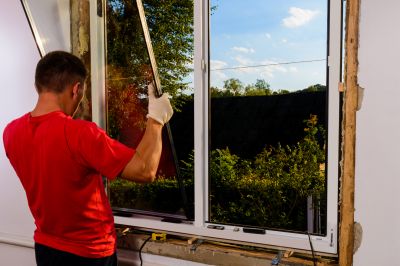
Ideal for controlled environments, typically during stable weather periods to avoid disruptions.
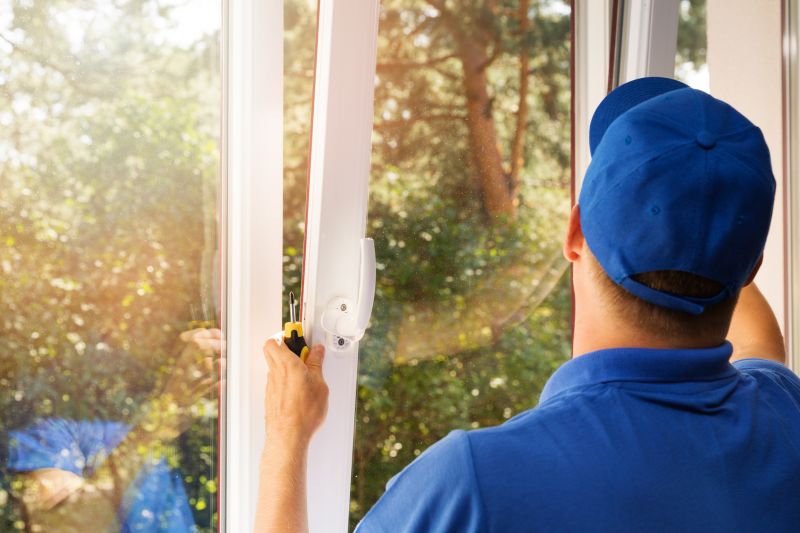
Requires favorable weather conditions, often best in spring or fall to prevent weather-related delays.

Timing during planned maintenance reduces operational impact and ensures resource availability.

Ways to make Windows Installations work in tight or awkward layouts.
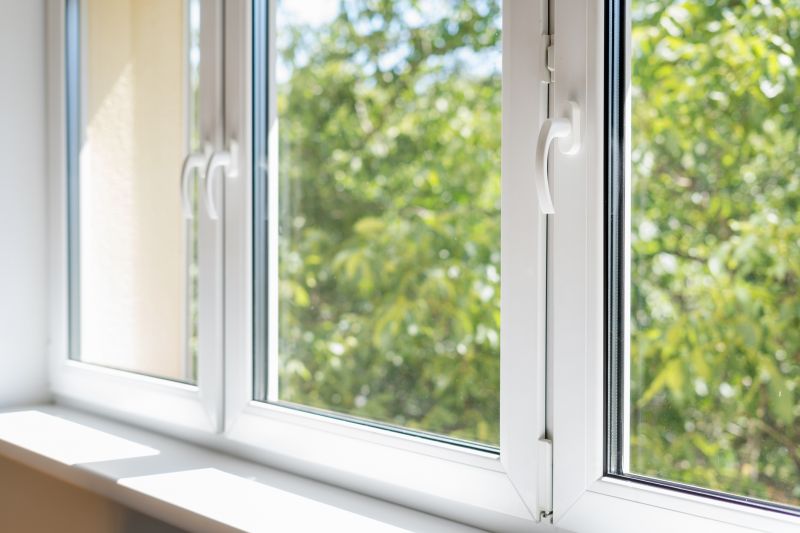
Popular materials for Windows Installations and why they hold up over time.
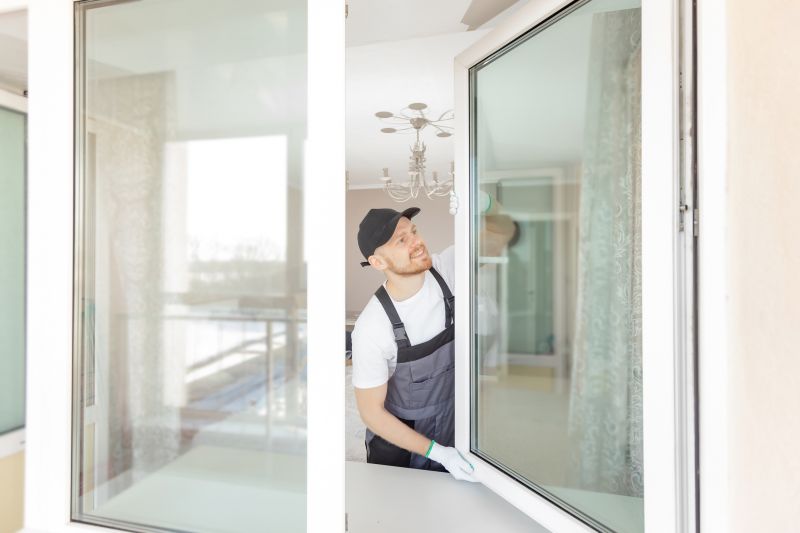
Simple add-ons that improve Windows Installations without blowing the budget.

High-end options that actually feel worth it for Windows Installations.

Finishes and colors that play nicely with Windows Installations.
Spring and fall often provide optimal weather for installations, minimizing weather-related issues.
Scheduling installations ahead of critical project milestones ensures timely completion.
Ensuring hardware and software are prepared can influence the best timing for installation.
Choosing off-peak hours or low-traffic periods can reduce disruption to business activities.
Windows installations are crucial for maintaining system security, improving performance, and enabling new features. Proper timing ensures minimal disruption and maximizes the benefits of the upgrade. Data indicates that scheduling during periods of low activity can lead to faster completion and fewer complications.
In addition, considering seasonal weather patterns can prevent delays caused by adverse conditions. For outdoor setups, spring and fall typically offer the most stable weather, reducing the risk of interruptions. Planning installations during scheduled maintenance windows or off-peak hours can further optimize resource use and reduce operational impact.
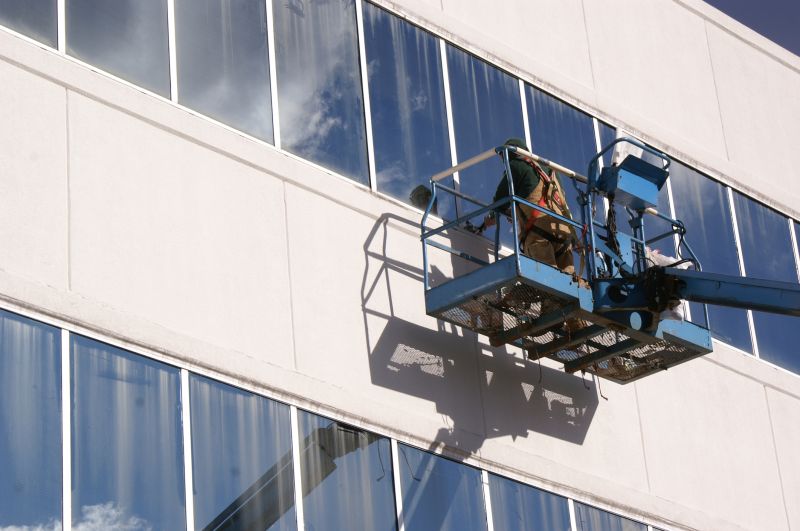
Conducted in controlled environments, reducing weather-related risks.
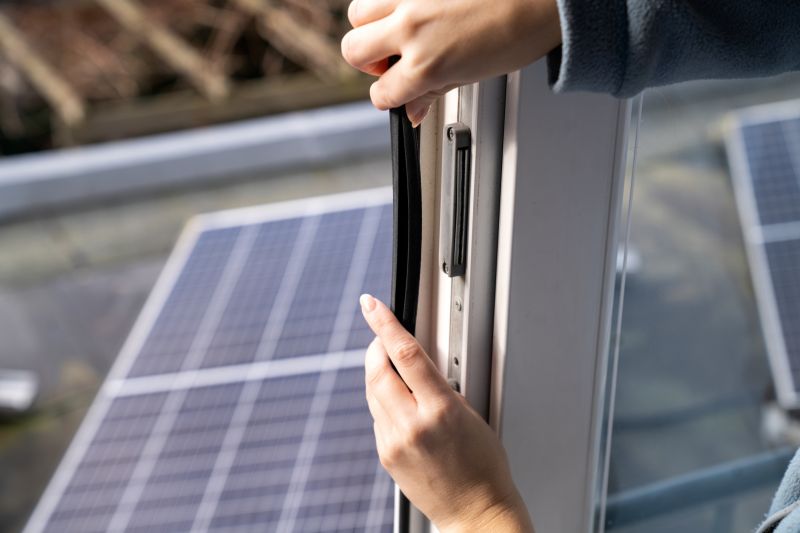
Requires careful planning around weather forecasts for success.

Availability of technical support can influence timing decisions.

Timing should include testing phases to ensure system stability.
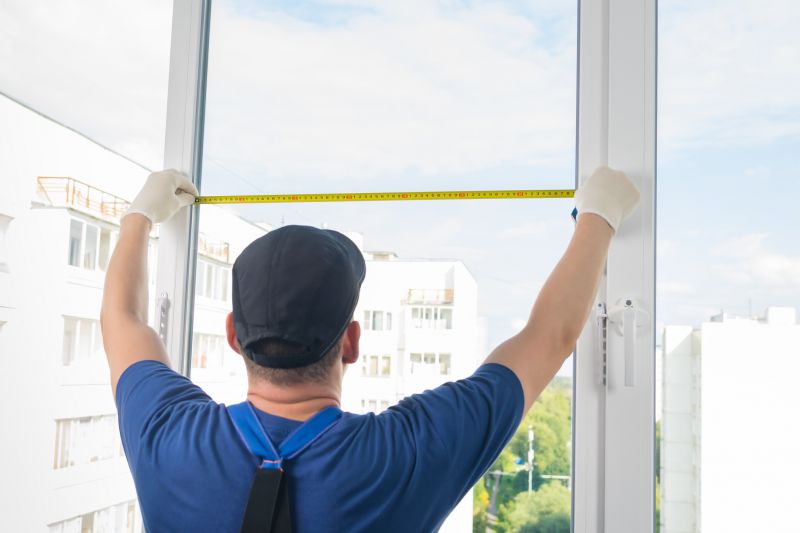
Little measurements that prevent headaches on Windows Installations day.

A 60-second routine that keeps Windows Installations looking new.

A frequent mistake in Windows Installations and how to dodge it.
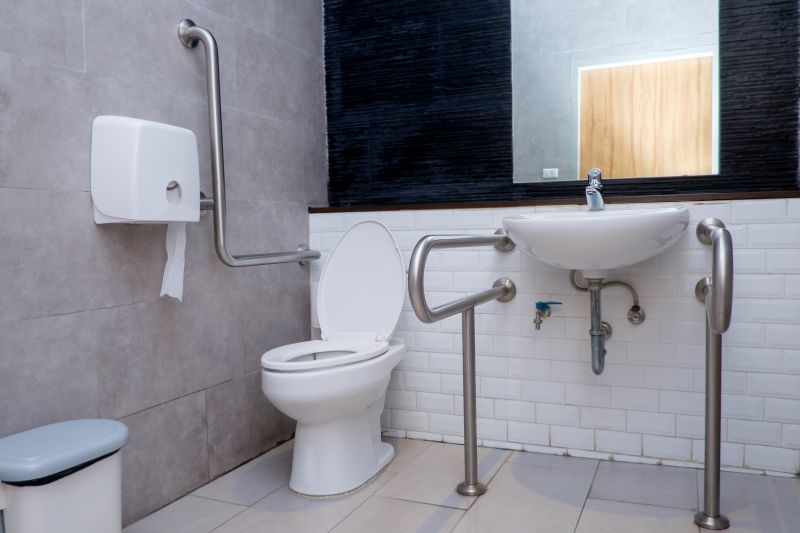
Small tweaks to make Windows Installations safer and easier to use.
| Timing Factor | Recommended Approach |
|---|---|
| Weather Conditions | Schedule during seasons with minimal precipitation and stable temperatures. |
| Business Operations | Plan during low-traffic hours or scheduled maintenance windows. |
| Hardware Readiness | Ensure hardware is prepared before scheduling the installation. |
| Support Availability | Coordinate with technical teams during predictable periods. |
| Project Deadlines | Align installation with key project milestones for timely completion. |
| Seasonal Timing | Spring and fall are preferred for outdoor installations. |
| Operational Impact | Minimize disruption by choosing off-peak times. |

Timing installations during favorable weather enhances success.

Aligning with support teams ensures smooth setup.
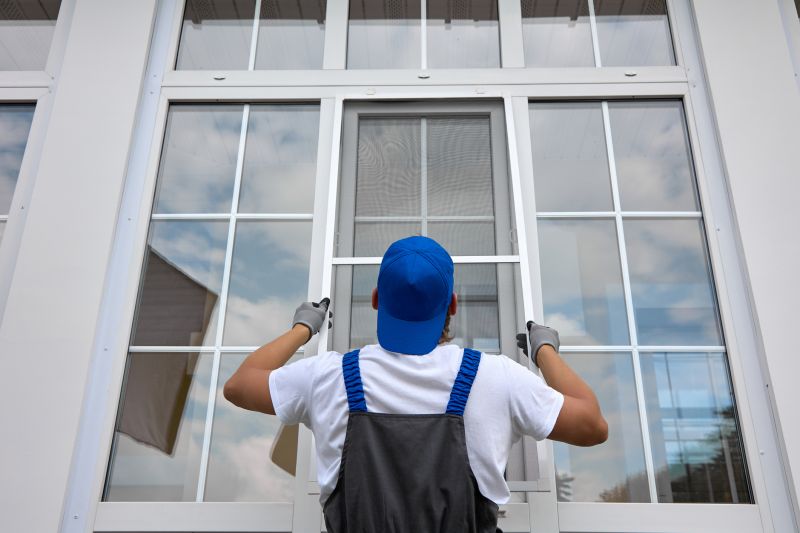
Scheduling testing phases for system stability.
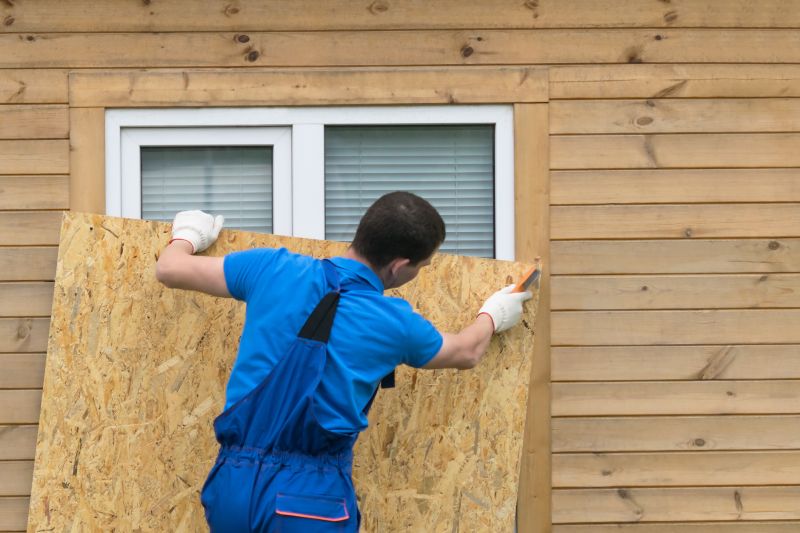
Choosing times that minimize business impact.
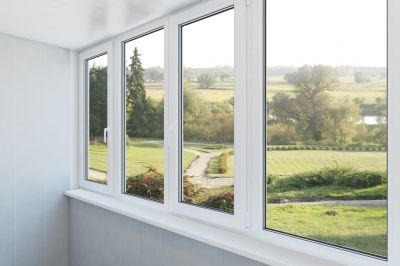
Lower-waste or water-saving choices for Windows Installations.

The short, realistic tool list for quality Windows Installations.

Rough timing from prep to clean-up for Windows Installations.

Quick checks and paperwork to keep after Windows Installations.
Interested in scheduling a Windows installation? Filling out the contact form allows for a tailored approach to meet specific timing needs and project requirements. Proper planning ensures efficient upgrades and minimal disruption to daily operations.